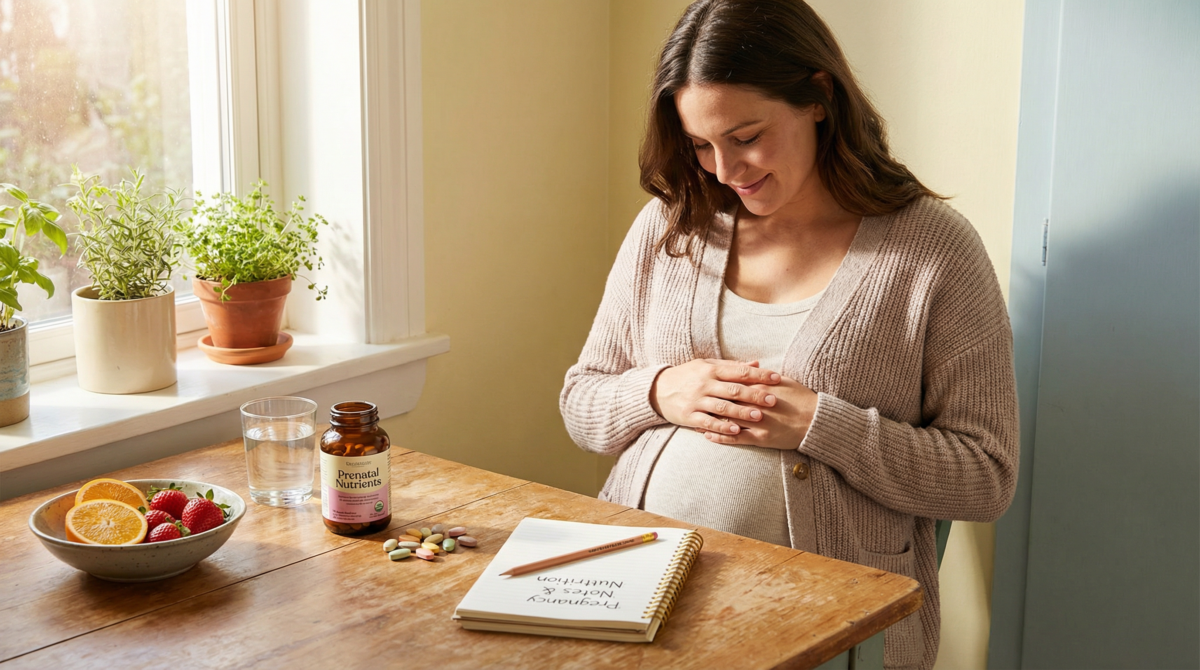
Prenatal Vitamins Demystified: The Real Scoop Every Mom-to-Be Needs
Pregnancy is a wild ride—exciting, nerve-wracking, and full of unsolicited advice from every corner. Among all the things you’ll be juggling, from craving weird food combos to figuring out what’s safe to binge-watch, there’s one staple that almost everyone agrees on: prenatal vitamins. But honestly, what are they really for? And which ones actually work without turning your mornings into a nausea fest?
Why Prenatal Vitamins? Because Growing a Human is No Joke
I remember when I first got pregnant—back in early 2021—the doctor handed me a pamphlet about prenatal vitamins. I skimmed it, thinking, “Okay, so these will just help baby grow, right?” But it quickly became clear that they’re not just about baby. They’re about keeping both of you healthy during a whirlwind of hormonal chaos and rapid development.
From folic acid, which can reduce neural tube defects by up to 70% (CDC, 2022), to iron that helps prevent anemia and keep your energy levels up, these tiny pills pack a punch. Honestly, I didn’t realize how much my body was working overtime until I started missing my usual energy bursts.
Folic Acid: The Superstar of Prenatals
Here’s the thing though—folic acid isn’t just a fancy ingredient. It’s essential. The neural tube, which becomes the baby’s brain and spine, closes early—like, within 28 days of conception (often before you even know you’re pregnant). That’s why starting prenatal vitamins before pregnancy is highly recommended.
Honestly, I think folic acid deserves all the hype. A study published in JAMA (2019) showed that women who took adequate folic acid had a significantly lower risk of neural tube defects. And it’s not just about prevention; it also supports DNA synthesis and repair, crucial for both mom and baby.
What’s Inside Prenatal Vitamins? Breaking Down the Key Players
Not all prenatal vitamins are created equal—some are packed with more than you need, others skimp on essentials. Here’s a quick peek at the usual suspects:
- Iron: Supports increased blood volume and prevents anemia.
- Calcium: Important for bone development of the baby and maintaining mom’s bone density.
- Vitamin D: Helps calcium absorption and supports immune function.
- DHA (Omega-3): Supports brain and eye development.
- Vitamin B6: May help with morning sickness (more on that later).
Here’s a quick reality check from my own experience: I once tried a prenatal with high iron and ended up feeling nauseous every day (ugh). It took some trial and error—switching brands, tweaking timing—to find the right fit. So yeah, personalizing your prenatal journey is key.
When to Start, When to Stop, and What Dose?
The magic window for folic acid is ideally starting at least 1 month before conception, continuing through the first trimester, and then throughout pregnancy (NHS, 2023). But many women keep taking prenatal vitamins even during breastfeeding, as the nutritional demands remain high.
The recommended daily amounts vary, but here’s a rule of thumb: 400-800 mcg of folic acid, 27 mg iron, and 1000 mg calcium are common targets. But don’t get overwhelmed—your healthcare provider will help tailor these numbers to your needs.
Choosing the Right Prenatal Vitamin: What I Learned Testing 10+ Brands
Now, this is where it gets interesting. I recently put over 10 prenatal brands to the test—looking not just at labels but also how they felt in real life. Do they upset your stomach? Are they easy to swallow? Do they contain unnecessary additives?
| Brand | Folic Acid (mcg) | Iron (mg) | Additional Nutrients | Ease of Digestion | Price Range |
|---|---|---|---|---|---|
| Nature’s Way Prenatal | 800 | 27 | DHA, Vitamin D3 | Moderate | $$ |
| Garden of Life Vitamin Code | 600 | 30 | Probiotics, Enzymes | Good | $$$ |
| New Chapter Perfect Prenatal | 800 | 18 | Organic Herbs, Omega-3 | Excellent | $$$ |
| One A Day Prenatal | 400 | 27 | Vitamin C, Zinc | Fair | $ |
| SmartyPants Prenatal Formula | 1000 | 20 | DHA, Folate (methylated) | Good | $$$ |
Funny story: I tried Garden of Life’s because of the probiotics—because, hello, stomach issues during pregnancy are a real thing. I noticed less bloating after a week, which was a nice bonus. On the flip side, One A Day made me feel a bit sluggish, and the aftertaste was not my favorite.
Side Effects and How to Handle Them Without Losing Your Mind
Let’s be honest: prenatal vitamins aren’t always sunshine and rainbows. Some women (myself included) struggle with nausea, constipation, or even headaches. The iron is usually the culprit.
Here’s my pro tip: try taking your prenatal with a meal or before bed. If iron is a problem, look for brands that have it in the form of ferrous bisglycinate or consider splitting doses throughout the day. And don’t hesitate to chat with your doc about alternatives.
Morning Sickness Relief? Vitamin B6 Might Be Your Friend
This one surprised me. B6 has been linked to helping ease morning sickness for some women. A 2018 study in the American Journal of Obstetrics and Gynecology found that B6 supplementation reduced nausea severity in early pregnancy (Smith et al., 2018). Not a silver bullet, but worth trying if you’re in that boat.
More Than Just Vitamins: Lifestyle and Diet Matter Too
Supplements are a safety net, but they don’t replace good food and healthy habits. I always encourage a rainbow of fruits and veggies, lean proteins, and whole grains alongside your vitamins. And listen—if you’re vegan or have dietary restrictions, you’ll need to be extra mindful (try checking out our Best Vegan Diet Supplements for Women article).
Also—I’m a big fan of hydration. Water helps the absorption of supplements and keeps things moving (no pun intended).
What About the Controversies? Do You Really Need All That Stuff?
Some people ask me: is it possible to get too many vitamins? Can over-supplementing hurt your baby? The short answer: yes, too much of anything isn’t great. Vitamin A (retinol form), for example, can be toxic in high amounts during pregnancy.
So here’s the bottom line: go with reputable brands, check labels, and avoid mega-doses unless prescribed. The FDA regulates supplements differently than meds, so quality varies. I personally stick to brands that have third-party testing or certifications.
My Final Thoughts (Because You Deserve Real Talk)
Pregnancy is one of life’s biggest emotional and physical shifts. Finding a prenatal vitamin that works for you can feel like searching for a unicorn (trust me, I’ve been there). But don’t let the overwhelm stop you. Start early, choose wisely, and remember it’s okay to switch if something doesn’t feel right.
If you’re curious about which prenatal might fit your lifestyle best, the table above is a good starting point. And hey, if you want my top pick based on my extended trial? New Chapter Perfect Prenatal—because it balanced efficacy with gentle digestion and organic ingredients (plus the taste wasn’t terrible!).
Ready to make that purchase? Check out our affiliate partner links below; they offer discounts and guarantee freshness.
Before you go: Don’t forget to chat with your healthcare provider before starting any supplement regimen. We’re all unique, and what works for me may not work for you.
FAQ About Prenatal Vitamins
When should I start taking prenatal vitamins?
Ideally, start at least one month before conception and continue through pregnancy and breastfeeding to support both mom and baby.
Can I get all prenatal nutrients from food alone?
While a balanced diet is crucial, prenatal vitamins provide concentrated amounts of key nutrients that can be hard to obtain in adequate levels from diet alone, especially folic acid and iron.
Are there prenatal vitamins safe for vegans?
Yes—there are vegan prenatal vitamins formulated without animal products. Look for those with plant-based DHA and certified vegan labels. Check out our vegan prenatal guide for more.
What if prenatal vitamins upset my stomach?
Try taking them with food or before bedtime. Switching brands or forms of iron (like ferrous bisglycinate) may help. If issues persist, consult your healthcare provider.
Is it safe to take prenatal vitamins after pregnancy?
Many women continue prenatal vitamins during breastfeeding to support nutrient needs. Discuss duration with your healthcare provider based on your diet and health.
Interested in learning more about how supplements can support women’s health? Don’t miss our deep dives on fat burners and our expert picks for thermogenics.
Ready to choose your prenatal vitamin? Check out our recommended products with exclusive deals here: [Affiliate Link Placeholder]