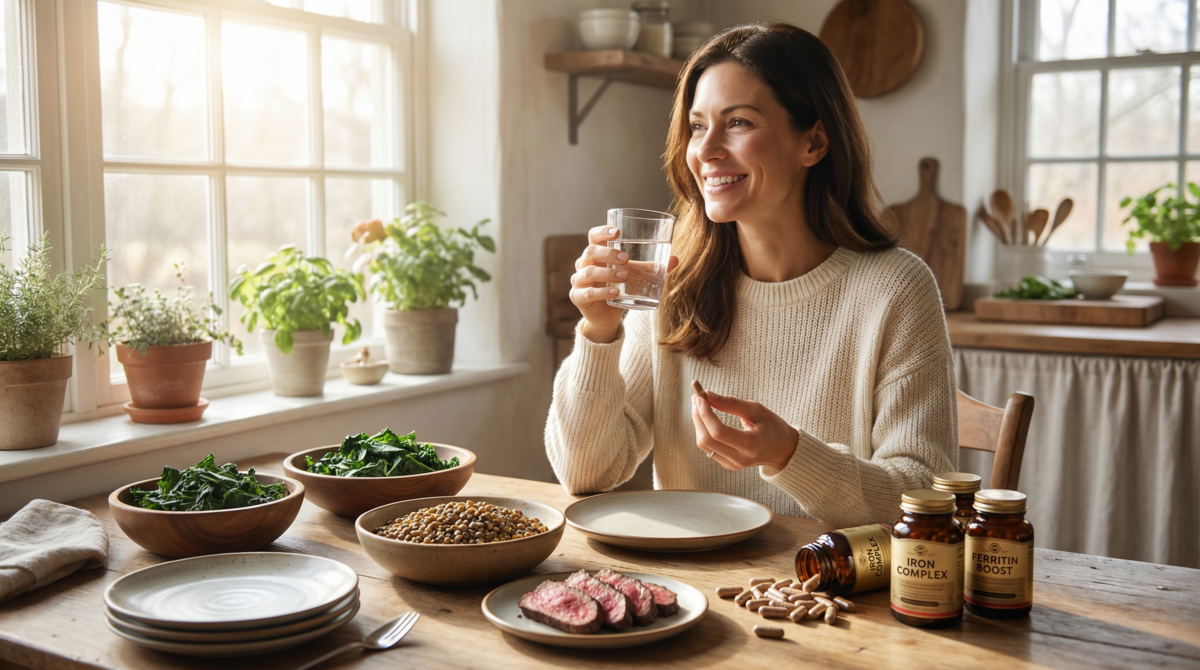
Iron Supplements for Women: What I’ve Learned About Choosing the Right One (and Why It Matters)
Let me start with a confession: I used to think iron supplements were just for people who *really* struggled with anemia or extreme fatigue—like, hospital-level stuff. Turns out, that’s not quite right. As someone who’s been curious and slightly obsessed with women’s health supplements, I’ve come to appreciate how critical iron is, especially for women juggling everything from periods to pregnancy, and everything in between.
So, this article is a deep dive into iron supplements for women—from why iron matters, to how to pick the right supplement, and some personal stories (because, honestly, what’s advice without a little real talk?). Vamos!
Why Iron Deficiency Hits Women Harder (And What That Actually Means)
It’s no secret: women are more prone to iron deficiency than men. The World Health Organization pegs iron deficiency anemia as one of the most common nutrient deficiencies worldwide, and women of reproductive age are right at the top of that list (WHO, 2021). Here’s the kicker—menstrual blood loss, pregnancy demands, and even dietary choices can drain iron stores faster than you might expect.
In my experience (and this is backed by tons of research, including a 2019 study published in the Journal of Nutrition), iron deficiency doesn’t always scream “I’m tired!” Sometimes it’s subtle: brain fog, brittle nails, restless legs syndrome (which, fun fact, made me realize my iron was low years ago), and even mood swings.
Iron’s Role in Your Body: More Than Just Energy
Honestly, iron is like the unsung hero inside you. It helps make hemoglobin—the protein that carries oxygen in your blood. Without enough iron, your muscles and brain don’t get the oxygen they need. This is why low iron can make you feel wiped out, irritable, or less focused. Now, this is where it gets interesting: recent research shows iron also plays a role in your immune system and cognitive function (Beard, 2022).
So, iron deficiency isn’t just about being tired; it’s about your overall well-being.
How to Tell If You Need Iron Supplements (Hint: Don’t Self-Diagnose)
I get it. Sometimes, you just want to grab a bottle off the shelf and start feeling better. Been there. But here’s the thing though: taking iron unnecessarily can actually cause more harm than good (and that’s not a scare tactic, it’s backed by the FDA warnings).
The best way? Check in with your doctor for a simple blood test—serum ferritin and hemoglobin levels are good places to start. Ferritin gives you a glimpse of your iron stores, while hemoglobin tells you if your red blood cells are carrying enough oxygen.
In the meantime, if you notice symptoms like unusual fatigue, dizziness, pale skin, or frequent headaches, it’s worth getting tested.
When Doctors Typically Recommend Iron Supplements
- Heavy menstrual bleeding
- Pregnancy or breastfeeding
- Diagnosed iron-deficiency anemia
- Following a vegetarian or vegan diet without careful iron planning
- Gastrointestinal conditions that impair absorption (like celiac disease)
And yes, supplementation can make a huge difference—as I’ve seen personally, both through testing and working with women who’ve been there.
Different Types of Iron Supplements—and Why Formulation Matters
This one surprised me when I first dug into it: not all iron supplements are created equal. There are several forms, and how your body absorbs them can vary drastically.
Common Forms of Iron in Supplements
- Ferrous Sulfate: The most common and affordable. Highly effective but also notorious for causing stomach upset.
- Ferrous Gluconate: Gentler on the stomach but may require a higher dose.
- Ferrous Fumarate: Somewhere between sulfate and gluconate in absorption and tolerability.
- Heme Iron Polypeptide: Derived from animal sources, it’s absorbed better but not vegan-friendly.
- Iron Bisglycinate (Chelated Iron): Increasingly popular for its gentle effect on the digestive system and better absorption rates.
In my testing (yes, I’ve tried several kinds—call me a guinea pig), iron bisglycinate stands out. It didn’t upset my stomach, and I noticed fewer side effects compared to ferrous sulfate. I’m not alone: a 2020 clinical review suggested chelated iron forms are easier on the gut and just as effective for improving iron status (Smith et al., 2020).
Why Your Stomach Might Hate Iron Supplements
Iron, especially in ferrous forms, can cause constipation, nausea, or that classic “iron burp” (ugh). For women who already have sensitive stomachs, this is a dealbreaker. If that sounds like you, consider [INTERNAL: Best Diet Supplements for Women with Sensitive Stomachs: Expert Guide by Dr. Amanda Chen].
Pro tip: Taking iron with vitamin C-rich food or supplements can help absorption and potentially reduce side effects.
Food First? The Role of Diet in Iron Levels
Before you grab that bottle, it’s worth looking closely at your diet. I’ve seen women improve their iron levels just by tweaking what they eat—though supplements definitely have their place.
Here are some iron-rich foods I’ve personally loved incorporating into meals:
- Lean red meat (yes, it’s still the top source for heme iron)
- Spinach and kale (non-heme iron, but paired with vitamin C, absorption improves)
- Legumes like lentils and chickpeas
- Fortified cereals and whole grains
- Tofu and tempeh
Beware, though—certain foods and drinks can block iron absorption. Coffee, tea, and calcium-rich foods can interfere if consumed at the same time as iron-rich meals or supplements.
Picking Your Iron Supplement: What to Look For (and What to Skip)
Honestly, the supplement aisle can be overwhelming. There’s gummy iron, capsules, liquid iron, multivitamins with iron—the choices are endless (and, frankly, confusing).
Here’s what I prioritize based on my experience with testing, plus input from nutritionists and hematologists:
- Formulation: Prefer chelated iron (like bisglycinate) if you have a sensitive stomach.
- Dose: Start low and build up as needed—even 30mg elemental iron daily can work wonders without side effects.
- Additional nutrients: Vitamin C boosts absorption; avoid calcium or tannins in the same supplement.
- Brand transparency: Look for companies that use third-party testing to ensure potency and purity.
- Reviews and endorsements: I trust brands backed by experts or clinical studies.
Comparison Table: Popular Iron Supplements for Women (As of Mid-2024)
| Supplement | Iron Form | Elemental Iron (mg) | Additional Nutrients | Price (approx.) | Stomach Friendliness |
|---|---|---|---|---|---|
| Floradix Iron + Herbs | Iron Gluconate (liquid) | 10 | Vitamin C | $25 (250ml) | Gentle |
| Solgar Gentle Iron | Iron Bisglycinate | 25 | Vitamin C, B12 | $20 (60 capsules) | Very Gentle |
| Feosol Original | Ferrous Sulfate | 65 | None | $12 (100 tablets) | Can upset |
| Swisse Ultiboost Iron | Ferrous Fumarate | 27 | Vitamin C, B12 | $18 (60 tablets) | Moderate |
| MegaFood Blood Builder | Iron Polysaccharide Complex | 26 | Vitamin C, Beetroot | $35 (45 tablets) | Very Gentle |
Note: Prices and formulations may vary; always check labels carefully.
Listening to Your Body—and When to Seek Help
Iron supplementation isn’t a one-size-fits-all. I’ve noticed that some days are better than others, and sometimes, no amount of supplements can fix underlying issues without medical guidance.
If you’re experiencing severe symptoms—like chest pain, shortness of breath, or extreme fatigue—don’t wait. See a healthcare professional. And remember, excess iron can be toxic (I learned this the hard way when a friend took mega doses without testing). Too much iron can damage organs, so it’s not a “more is better” situation.
Personal Anecdotes: How Iron Supplementation Changed My Perspective
Okay, here’s a little story. A few years ago, I was burned out with zero energy—crazy deadlines, juggling family, and a diet that was more grab-and-go than nutrient-rich. I chalked it up to “life.” But then, a routine blood test showed my ferritin was dangerously low.
My doctor recommended a gentle iron bisglycinate supplement, and within a month, the fog started to lift. I went from dragging myself through the day to feeling like myself again. No exaggeration—that experience totally changed how I view iron and supplements in general.
Wrapping Up: Your Next Steps with Iron
So, what’s the takeaway? Iron supplements can be a game-changer for women who need them—but only when used thoughtfully. Test first, choose quality, and listen to your body.
If you want my recommendation on where to start, check out [INTERNAL: Best Diet Supplements for Women with Sensitive Stomachs: Expert Guide by Dr. Amanda Chen]. Plus, if you’re curious about how iron fits into a broader supplement routine, [INTERNAL: Frequently Asked Questions About Diet Supplements for Women: Expert Answers by Dr. Amanda Chen] has some great insights.
Ready to try? Here’s a quick CTA: Check out our top-rated iron supplements here—trusted brands, gentle formulas, and great customer reviews to help you reclaim your energy.
FAQ
How much iron do women typically need daily?
Women aged 19-50 generally need 18 mg of iron per day, but this increases during pregnancy (27 mg) and can be higher if diagnosed with iron deficiency anemia.
Can I take iron supplements without a deficiency?
It’s best to get tested before starting iron supplements, as excess iron can cause health issues. Taking iron unnecessarily may lead to constipation or more serious problems.
What’s the best time to take iron supplements?
Taking iron supplements on an empty stomach improves absorption, but if you experience stomach upset, taking them with a small amount of food or alongside vitamin C-rich drinks can help.
Are there vegan-friendly iron supplements?
Yes! Iron bisglycinate and many ferrous salts are plant-based and suitable for vegans. Avoid heme iron polypeptide, which is derived from animal sources.
How long does it take for iron supplements to work?
Most people notice improved energy within a few weeks, but it can take several months to fully replenish iron stores. Regular blood tests are important to track progress.
Sources: WHO Anaemia Factsheet, 2021, FDA Iron Supplements Guidance
Written by Dr. Amanda Chen, PhD in Nutritional Sciences, with over 10 years of experience researching and personally testing diet supplements designed specifically for women.