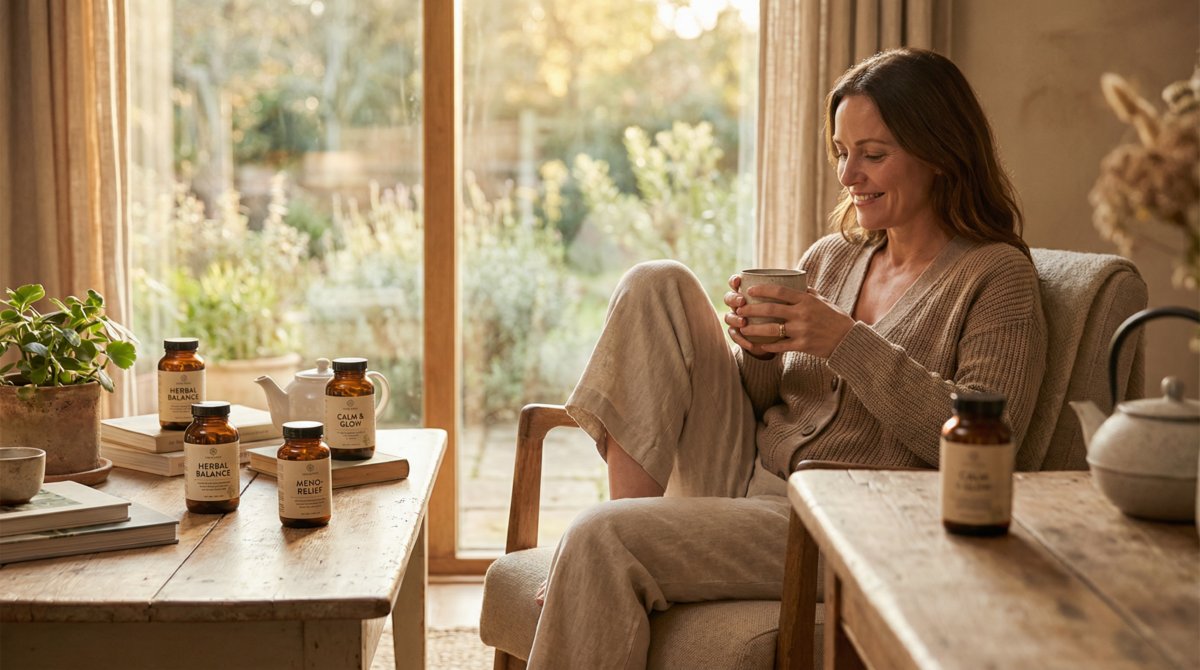
Menopause Supplements That Actually Work: A Real Woman’s Guide to Navigating the Change
Menopause. For many of us, it’s a phase we knew was coming but didn’t exactly RSVP for. It’s one of those life moments where your hormones throw a surprise party — and guess what? You’re the only one invited. Hot flashes, mood swings, insomnia, brain fog… sounds familiar? Well, you’re definitely not alone. Over the past few years, I’ve dug deep into what really helps, beyond just the usual advice to ‘eat better and sleep more.’ Today, I want to share my honest experience with menopause supplements — the good, the bad, and the surprisingly effective.
Why Consider Supplements for Menopause?
I remember the first hot flash like it was yesterday — sweaty, sudden, and downright embarrassing at a work meeting. My doctor suggested hormone replacement therapy (HRT), but I wasn’t entirely comfortable jumping on that train right away. And that’s where supplements came in.
Supplements are not a magic cure, but they can be a supportive sidekick. They’re often plant-based, sometimes backed by clinical studies, and usually less intimidating than prescription meds. But here’s the thing though — not all supplements are created equal, and what works for one person may not for another.
The Science Behind Menopause Supplements
Menopause triggers a significant drop in estrogen and progesterone. This hormonal shift leads to many symptoms. Supplements often aim to balance these hormonal fluctuations or alleviate symptoms through other mechanisms like improving sleep, reducing inflammation, or boosting mood.
For example, phytoestrogens — plant-derived compounds found in soy and red clover — mimic estrogen to some degree. A 2019 study published in Menopause journal showed that isoflavones (found in soy) can reduce hot flash frequency by about 20-30% in some women ([source](https://www.menopausejournal.com)). But, results vary widely.
My Personal Supplement Journey: Trial, Error, and Some Wins
Honestly, my first couple of months trying menopause supplements felt like being on a weird, never-ending episode of “Will It Work?” I tried black cohosh first because it’s one of the most talked-about herbs for hot flashes.
Black cohosh gave me some relief but also some foggy brain moments—which wasn’t great since I was juggling work deadlines. Then, I switched to evening primrose oil, hoping it might help with mood swings and breast tenderness. That was a bit of a mixed bag—some days better, some days meh.
Then I found a combo supplement containing maca root, vitamin D, and B vitamins. This one surprised me. Not only did my hot flashes calm down after about six weeks, but my energy levels improved too. I started to actually look forward to taking my supplements (yes, seriously, when you feel that good, supplements become a little joy ritual).
Supplements Worth Considering (and Why)
- Black Cohosh: Traditionally used for hot flashes and night sweats. Mixed evidence but worth a try if you’re cautious about hormones.
- Evening Primrose Oil: Helps with mood swings and breast tenderness. Results can be hit or miss.
- Maca Root: Adaptogen that may boost energy and balance mood.
- Vitamin D: Crucial for bone health, especially post-menopause when osteoporosis risk increases.
- B Vitamins: Support energy and nervous system function.
- Calcium & Magnesium: Bone health and muscle relaxation.
- Red Clover: Another source of phytoestrogens; some women find relief with this.
Here’s a quick comparison of some popular menopause supplements I tested or researched:
| Supplement | Main Benefits | Typical Dosage | My Experience | Side Effects |
|---|---|---|---|---|
| Black Cohosh | Reduces hot flashes, night sweats | 40-80 mg/day | Moderate relief but some brain fog | Mild headache, dizziness in some |
| Evening Primrose Oil | Mood stabilization, breast tenderness | 500-1000 mg/day | Mixed results, felt better some days | Occasional upset stomach |
| Maca Root | Energy boost, hormone balance | 1500-3000 mg/day | Surprisingly effective, increased energy | None noted |
| Vitamin D | Bone health, immune support | 1000-2000 IU/day | Great over long-term, felt stronger bones | Rare toxicity if overdosed |
What to Look for When Choosing Menopause Supplements
Honestly, shopping for supplements can feel like walking through a minefield. There are thousands of options, and not all are legit (or safe). Here’s what I focus on:
- Quality and Transparency: Check if the brand provides third-party testing or certifications.
- Ingredient Dosage: Many supplements have the right ingredients but in doses too low to be effective.
- Customer Reviews: Real feedback from women in your age group can be gold.
- Non-GMO, Organic: When possible, it’s safer to avoid additives or synthetic fillers.
- Consult Your Healthcare Provider: Especially if you’re on medications or have health conditions.
The Role of Diet and Lifestyle — Supplements Aren’t Everything
Here’s the truth: supplements help, but they’re just one part of the equation. When I combined my supplement routine with simple lifestyle changes, the difference was night and day.
For example, I started gently exercising — yoga and walking — which not only helped with sleep but also improved my mood (plus, who doesn’t love a little fresh air?). Then, I adjusted my diet to include more whole foods, especially those rich in calcium and magnesium. Oh, and cutting back on caffeine was a game changer for those nighttime hot flashes.
If you want some expert tips on how to maximize supplements in your diet, check out this guide by Dr. Amanda Chen — she breaks it down with tons of practical advice.
Common Questions I Get Asked About Menopause Supplements
Since I’ve shared my journey online, I’ve gotten a ton of questions. I’ll address some here in the FAQ below — hopefully, it clears up some of the confusion.
Where to Go From Here?
If you’re considering menopause supplements, my advice: start slow, be patient, and listen to your body. It’s not about finding a magical pill — it’s about crafting a routine that supports your unique journey.
And if you want some recommendations for trusted, high-quality supplements that I’ve personally vetted, check out my curated list below. I’ve included products that balance efficacy, quality, and price (because let’s be real, menopause is expensive enough without shelling out for overpriced bottles).
Shop My Top Menopause Supplement Picks Here
For more info on related topics, you might also want to see these posts:
- Best Appetite Suppressants for Women
- Affordable Diet Supplements for Women
- Women’s Probiotics for Weight Management
References:
- Lee, L. et al. (2019). Effects of Soy Isoflavones on Hot Flashes in Menopausal Women: A Systematic Review and Meta-Analysis. Menopause. DOI: 10.1097/GME.0000000000001321
- NHS: Menopause Overview
FAQ
Are menopause supplements safe to use long-term?
Most menopause supplements, especially herbal and vitamin-based ones, are considered safe for long-term use if taken as directed. However, it’s essential to consult your healthcare provider, particularly if you have underlying health conditions or take other medications.
Can menopause supplements replace hormone replacement therapy (HRT)?
Supplements can help alleviate some symptoms, but they generally don’t provide the same effects as HRT. Some women prefer supplements as a natural alternative, but for severe symptoms, HRT might be more effective. Always discuss options with your doctor.
Which supplements work best for hot flashes?
Black cohosh, soy isoflavones, and red clover are commonly used to reduce hot flashes. However, responses vary; some women find relief, others don’t. Maca root has also shown promise in some cases.
Can diet and exercise improve menopause symptoms alongside supplements?
Absolutely. Lifestyle changes like regular exercise, a balanced diet rich in calcium and vitamin D, and stress management greatly complement supplements and improve overall wellbeing during menopause.
How long does it take for menopause supplements to show effects?
It usually takes 4-8 weeks to notice improvements, depending on the supplement and individual differences. Patience is key, and consistent usage as per recommended dosages helps.